
Mechanical & Electronic Systems
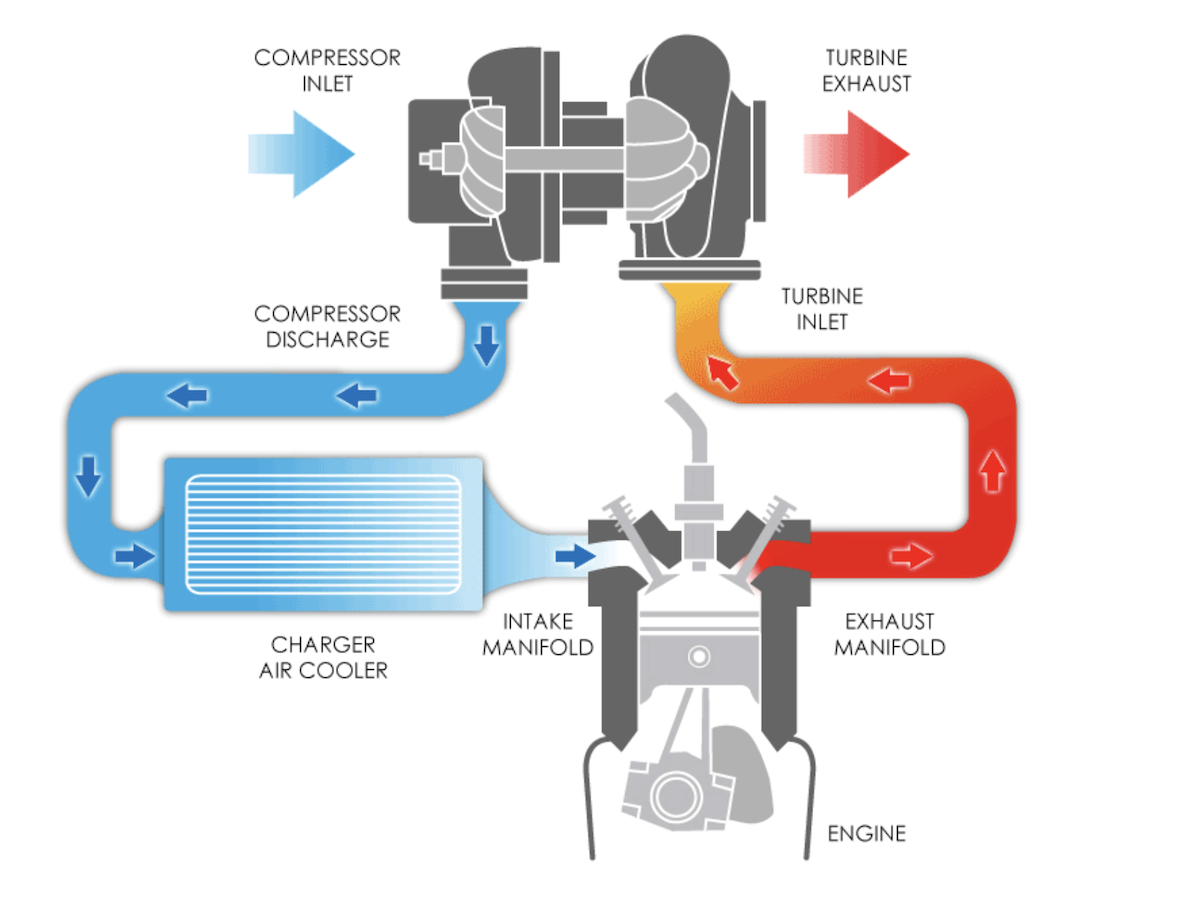
Turbochargers
To meet strict emissions laws, manufacturers use smaller engines but boost their power with turbochargers (forced induction).
- The Complexity: Turbochargers spin at incredibly high speeds (often over 200,000 RPM) and operate under extreme exhaust heat. They require precise oil and coolant delivery, electronically controlled wastegates, and bypass valves. Some vehicles use twin-charging (both a supercharger for low-end torque and a turbocharger for high-end power) or variable geometry turbos (VGT).
- Reliability Impact: Extreme thermal stress can cook engine oil, leading to bearing failure. Oil contamination, carbon buildup, and electronic actuator failures are common issues that can cause total turbo failure, requiring expensive replacements.
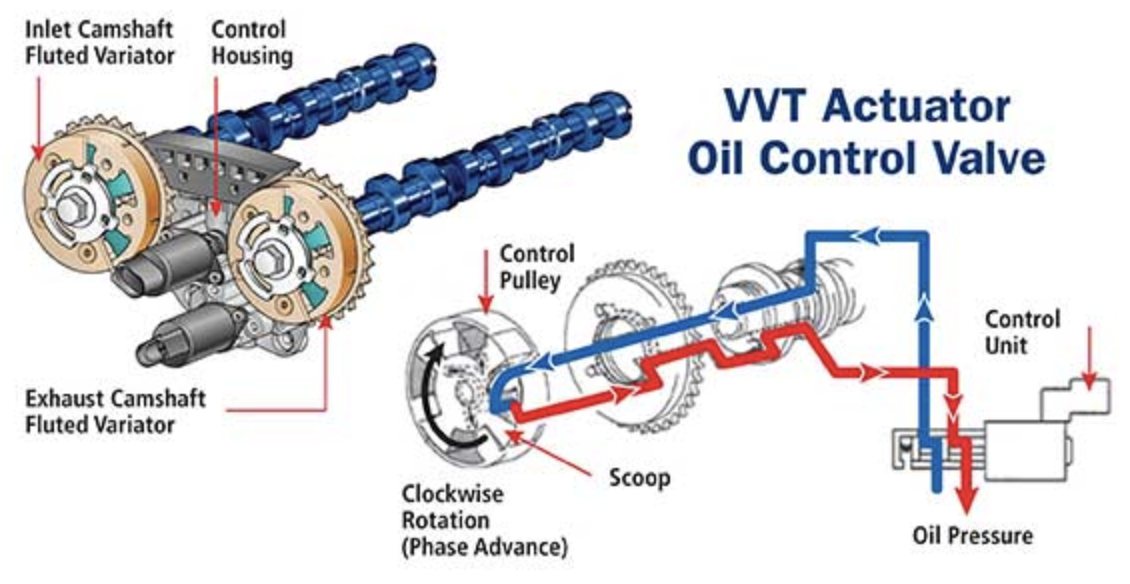
Variable Cam Timing
Instead of fixed valve timing, modern engines dynamically adjust when valves open and close, and how deeply they open, to optimize efficiency across the entire RPM range.
- The Complexity: Systems like Honda’s i-VTEC, BMW’s Vanos/Valvetronic, or Ford’s Ti-VCT use hydraulic actuators, electronic solenoids, and oil pressure to physically rotate the camshafts or alter valve lift.
- Reliability Impact: These systems are incredibly sensitive to oil quality and pressure. Debris or sludged oil can clog the tiny screens or solenoids, leading to timing codes, rough idling, loss of power, and catastrophic engine damage if timing chain guides or tensioners wear out prematurely.
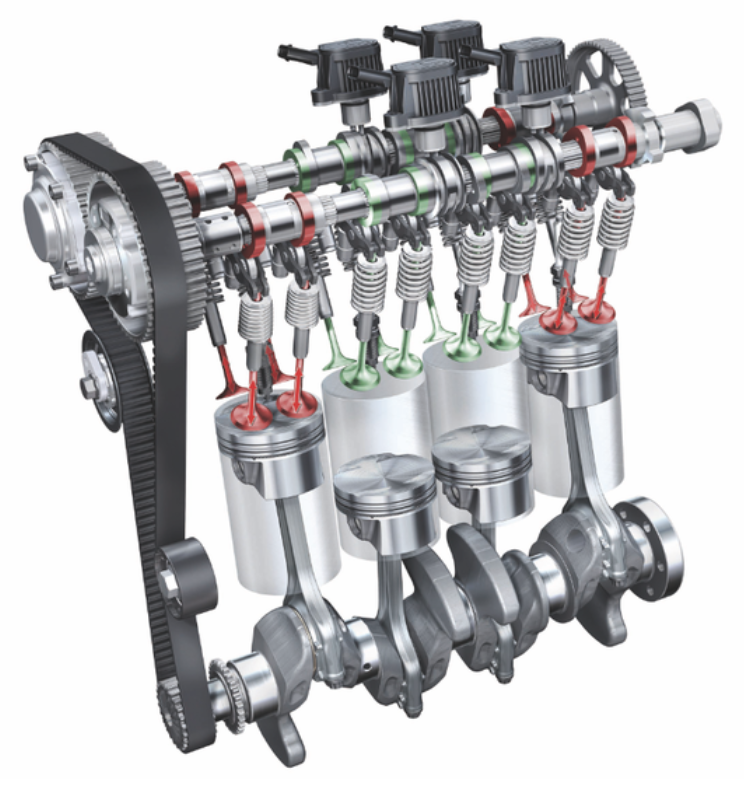
Cylinder Deactivation / Variable Displacement
Known by names like Active Fuel Management (AFM), Dynamic Fuel Management (DFM), or Cylinder on Demand (COD), this system shuts off specific cylinders when cruising to save fuel.
- The Complexity: Special hydraulic lifters are electronically commanded by oil pressure to collapse, preventing the valves on designated cylinders from opening. The engine management system must simultaneously adjust the throttle, spark, and fuel injection to keep the engine smooth during transitions.
- Reliability Impact: The mechanical lifters are notorious for sticking or failing to lock back into place, causing severe engine misfires and requiring intrusive, expensive internal engine repairs. It can also cause uneven oil consumption and piston ring wear.
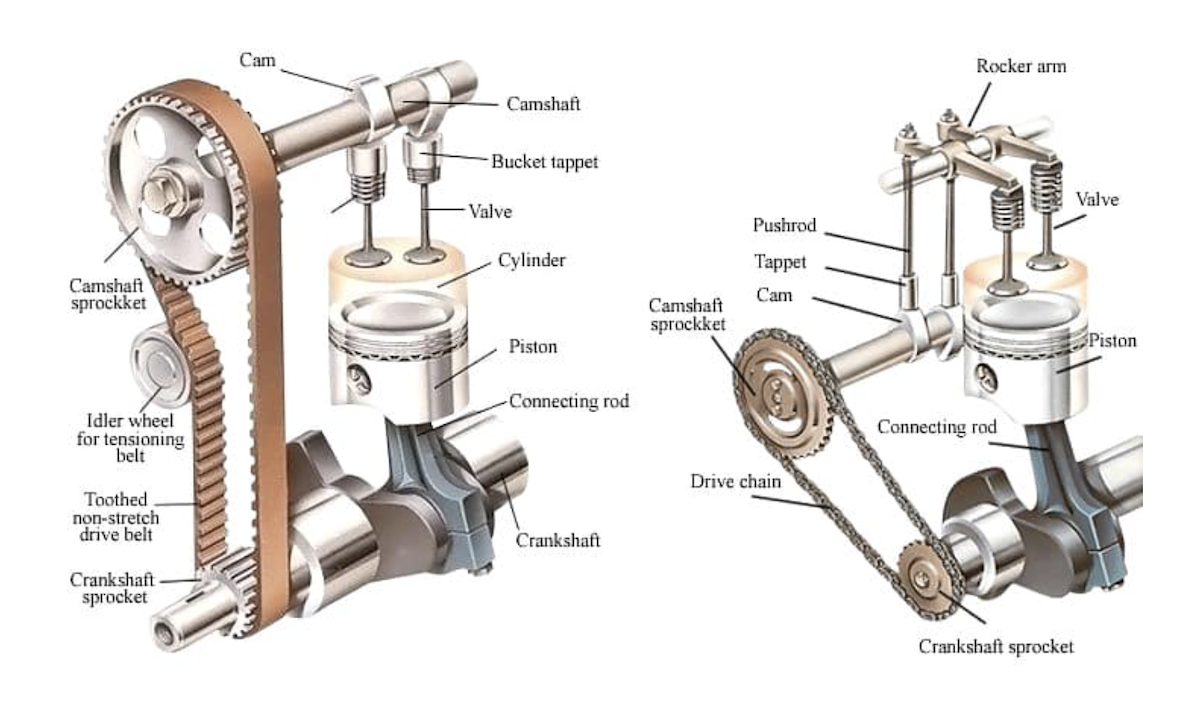
Interference Engine
In an interference engine, the valve and piston trajectories overlap.
- If the timing belt breaks: Mechanical destruction happens in milliseconds. The pistons bend or snap the valves. The broken valve pieces can drop into the cylinder, punching holes through the top of the aluminum pistons, scoring the cylinder walls, and completely ruining the engine block and cylinder head.
- If the timing chain breaks: The engine simply dies. You pull over, get towed, replace the chain/belt, and the engine runs perfectly fine again.
In a non-interference engine, there is enough physical clearance at the top of the cylinder that even if a valve is stuck fully open, the piston can reach the very top of its stroke without touching it.
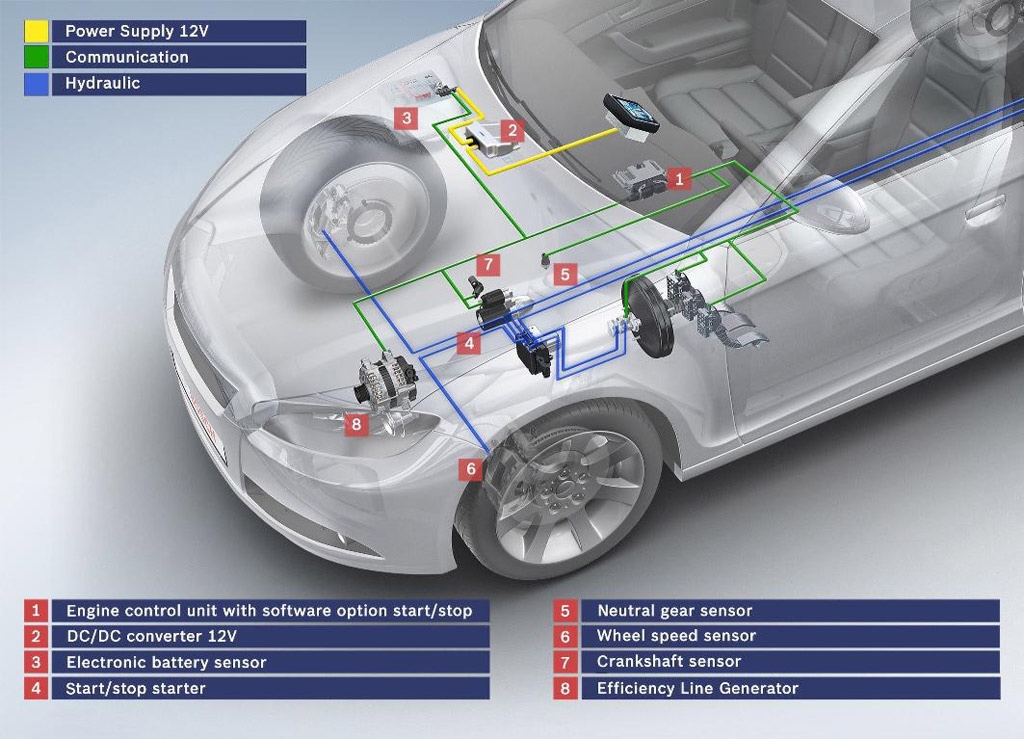
Automatic Start-Stop Systems
This system automatically shuts the engine off when the vehicle comes to a complete stop and restarts it the moment the driver releases the brake.
- The Complexity: To survive hundreds of thousands of restart cycles, these vehicles require heavily reinforced starters, heavy-duty tandem-solenoid starters, or integrated starter-generators (ISGs). They also require complex monitoring of battery state-of-charge, cabin temperature, and engine temperature.
- Reliability Impact: Tremendous strain is placed on the battery and starter. These vehicles require specialized, expensive AGM (Absorbent Glass Mat) or EFB (Enhanced Flooded Battery) batteries. If replaced with a standard battery, it will fail rapidly.
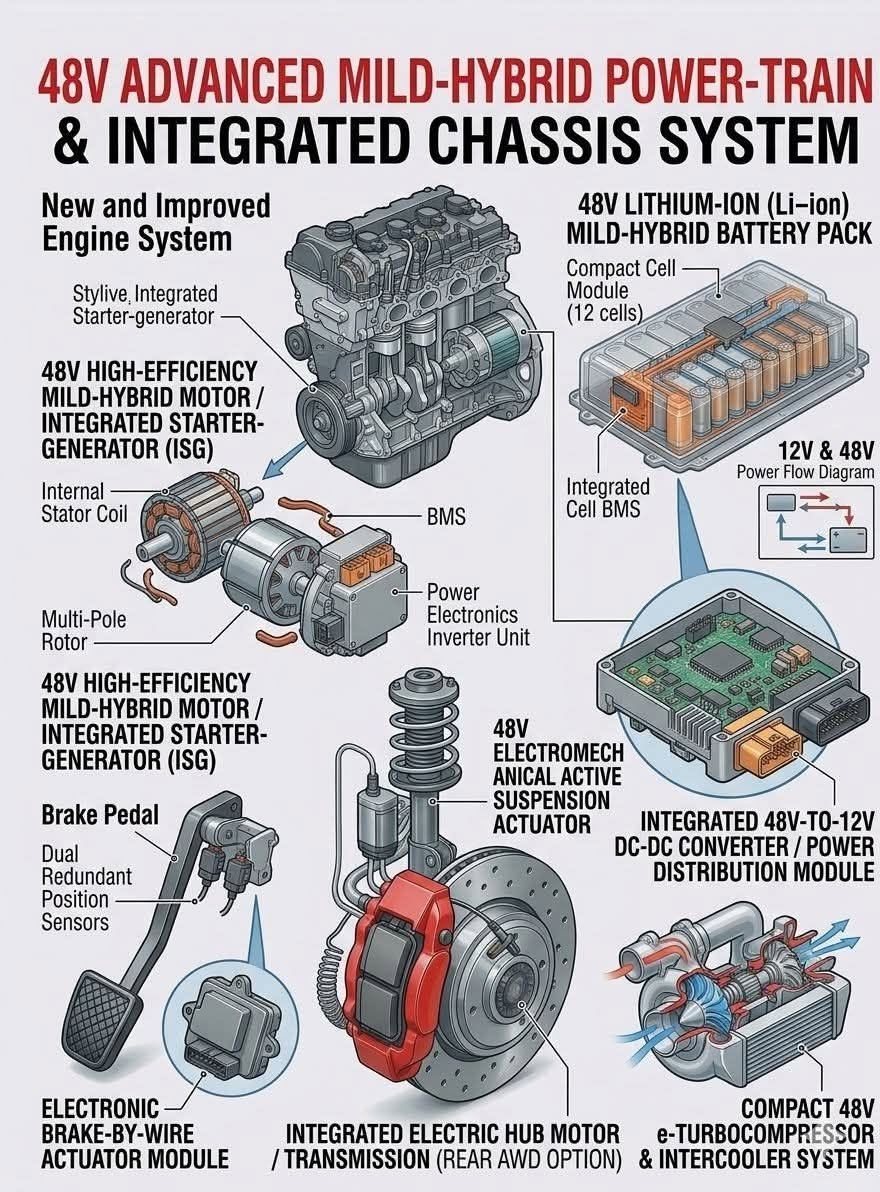
High-Voltage Architecture / Hybrid (48V Systems)
To power the massive array of electronics and assist the engine, many newer internal combustion cars utilize a secondary 48-volt electrical system alongside the traditional 12-volt system.
- The Complexity: Includes a separate 48V lithium-ion battery, a DC-DC converter to bridge the 12V and 48V networks, and an integrated starter-generator that can harvest braking energy and provide a brief power boost.
- Reliability Impact: Introduces a whole secondary cooling loop for the hybrid electronics, high-cost battery modules that degrade over time, and highly complex diagnostic paths when a charging fault occurs.
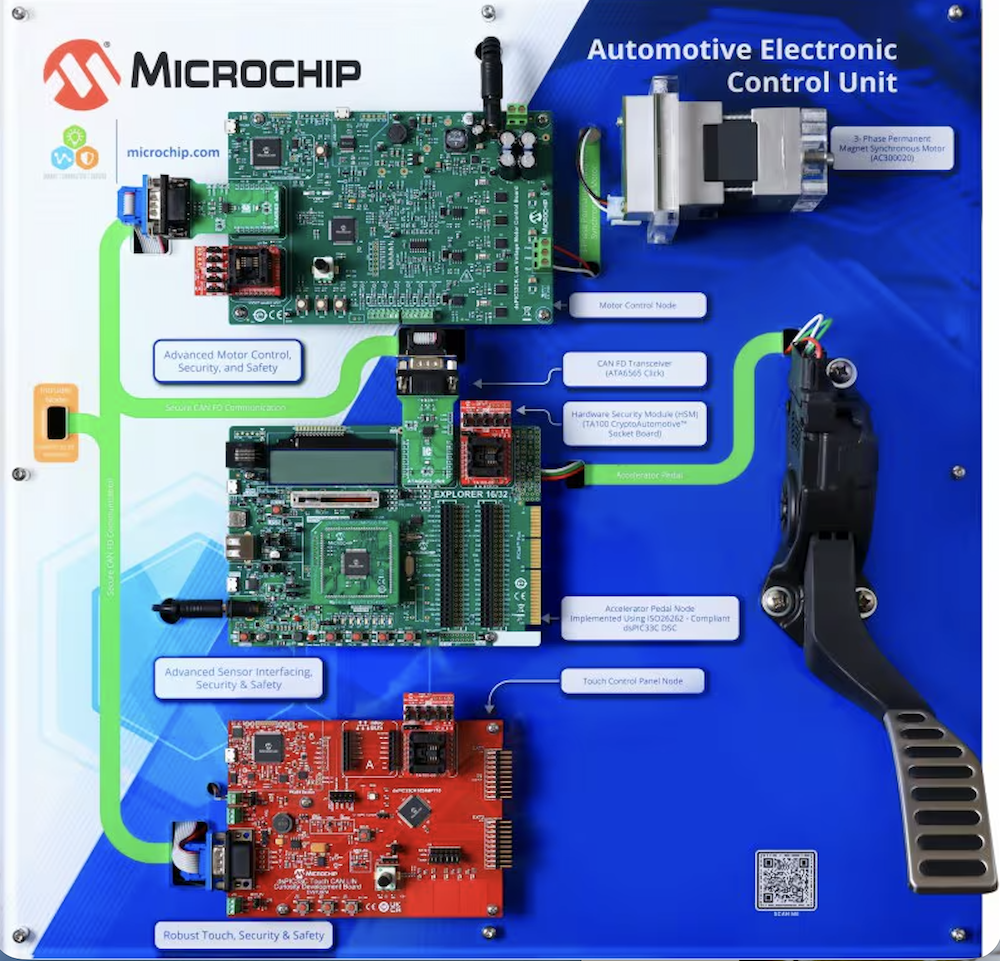
Multiple Electronic Control Units (ECUs)
A modern luxury or highly optioned vehicle can easily feature between 70 and 150 separate microprocessors (ECUs) hidden throughout the chassis.
- The Complexity: Instead of one central computer running the car, individual modules control specific zones (e.g., Body Control Module, Transmission Control Module, Door Modules, Seat Modules). They must constantly communicate and agree with one another.
- Reliability Impact: A single rogue module drawing power when the car is turned off can cause "parasitic draw," draining the battery overnight. Locating a faulty module among dozens is a notorious diagnostic nightmare for technicians.
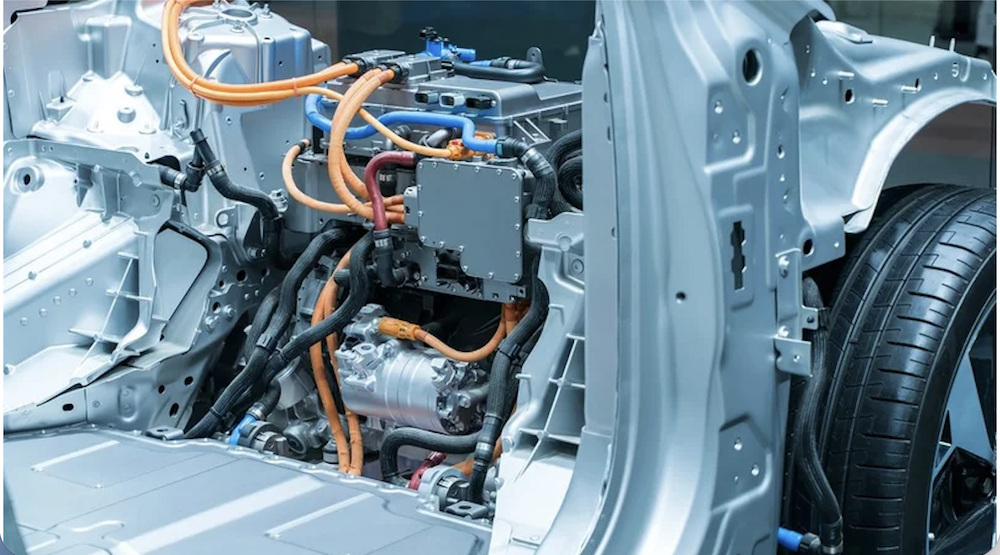
Multiplex Networking
With over a hundred modules, running dedicated wires to every single component is physically impossible due to weight and space constraints. Cars use multiplexed networks to share data down a shared pair of wires.
- The Complexity:
- CAN Bus (Controller Area Network): The backbone network handling critical data like engine and braking metrics.
- LIN (Local Interconnect Network): A slower, cheaper network for simple tasks like power windows or mirrors.
- FlexRay / Automotive Ethernet: Ultra-high-speed networks required for data-heavy systems like adaptive suspension or camera streams.
- Reliability Impact: Because modules share a communication “highway,” a short-circuit, a pinched wire, or water intrusion in one single module can corrupt the entire network, causing multiple unrelated warning lights to flash and potentially rendering the car entirely unstartable (a “no-comm” state).
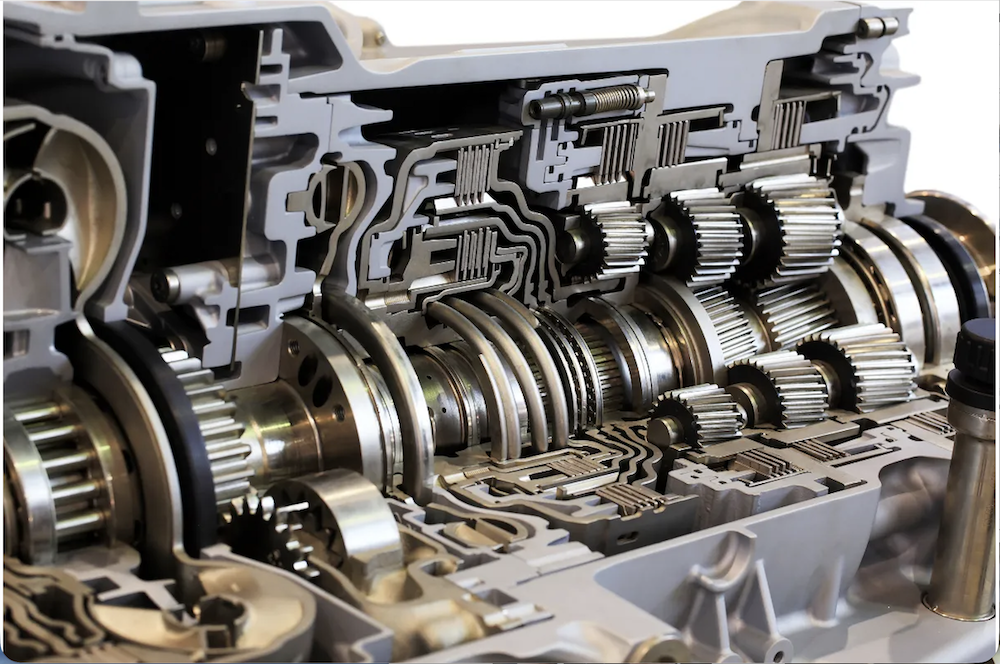
Multi-Gear Automatic Transmissions
To maximize fuel efficiency, manufacturers utilize transmissions with a vast array of tightly packed gear steps to keep the engine running in its ideal power band.
- The Complexity: Fitting up to ten gears into standard-sized housings requires microscopic tolerances, multiple shifting clutches, and highly complex hydraulic valve bodies controlled by dedicated Transmission Control Modules (TCM) running adaptive software.
- Reliability Impact: Minor fluid breakdown or microscopic debris can easily cause shifting solenoids or mechanical valves to stick, causing harsh shifting or transmission failure. Due to structural density, internal repairs are heavily labor-intensive, often forcing entire unit replacement over component repair.
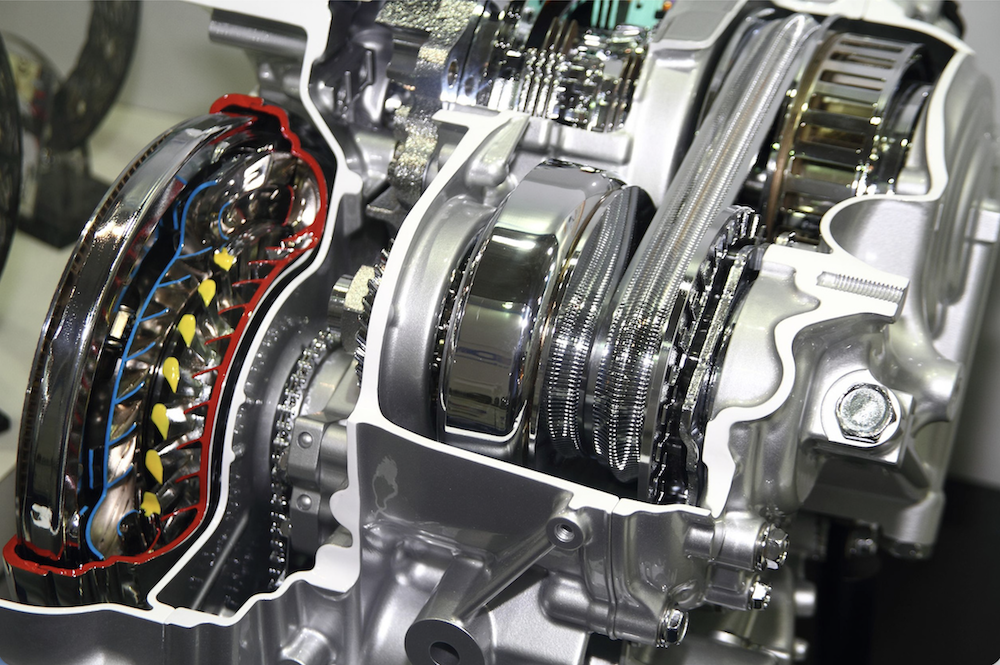
Continuously Variable Transmissions (CVTs)
Utilizing a pulley-and-belt setup instead of physical gears, CVTs allow an infinite variation of drive ratios to balance economy and performance.
- The Complexity: High-pressure internal hydraulics are actively regulated by electronic control units to shift the physical widths of the drive and driven pulleys, working in direct synchronization with engine output parameters.
- Reliability Impact: High heat loads can degrade the specialized fluid quickly, leading to steel belt slippage against the smooth pulley cones. Once severe slippage occurs, internal metal contamination spreads, forcing complete transmission replacement.
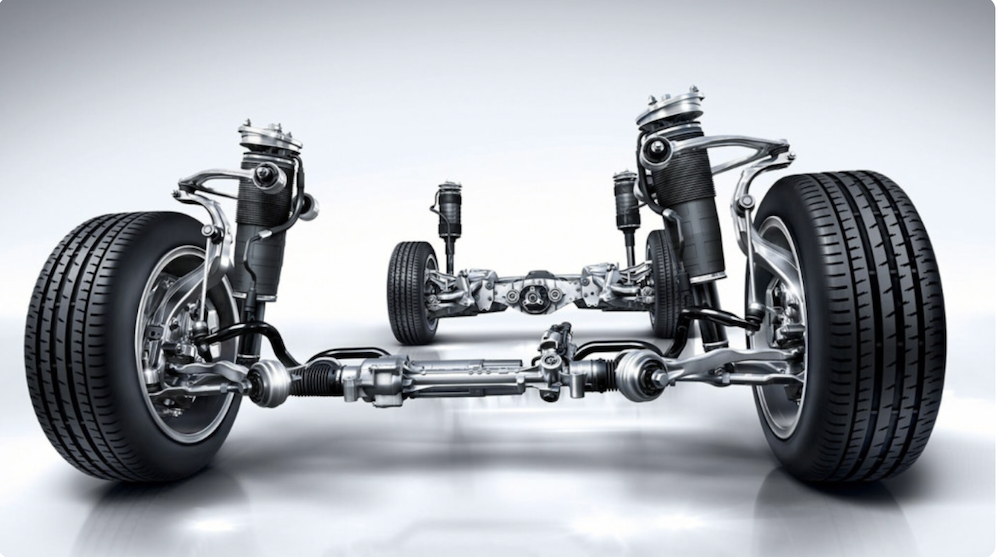
Electronic & Adaptive Suspension Systems
Modern suspension units go beyond simple hydraulic fluid and steel springs, using automated feedback loops to dynamically alter ride characteristics.
- The Complexity: Features electronically controlled valving, air compressors with pressurized storage bags, or magnetic dampers (magnetorheological fluid) that change stiffness instantly via electric currents. Sensors at all four corners track road surfaces and chassis movement dynamically.
- Reliability Impact: Rubber air bladders naturally degrade, dry-rot, and leak over time, causing systemic strain that burns out the electric compressor pump. Wheel height sensors are exposed to harsh road elements (water, dirt, road salt), making wiring corrosion and sensor failure highly common. Component replacement costs are significantly elevated compared to standard components.
Driver Control & Surveillance Systems
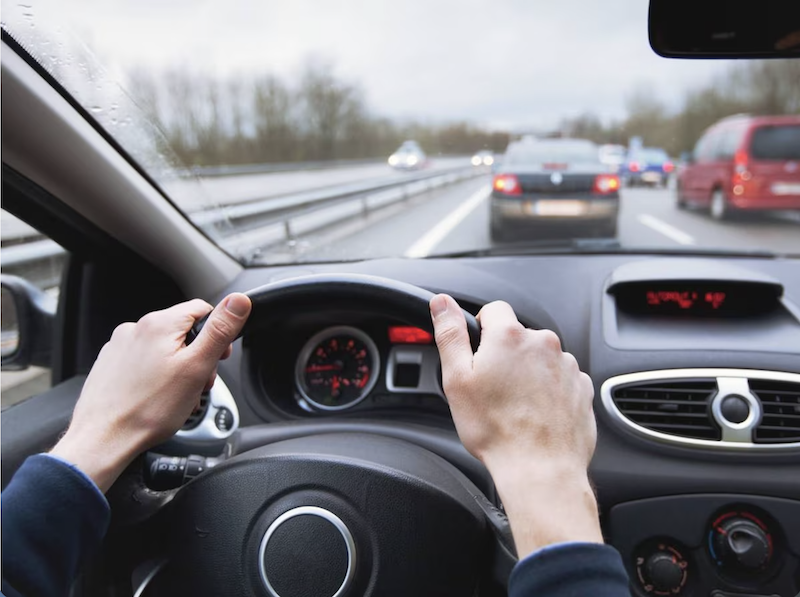
Collision Warning & Avoidance
Forward Collision Warning. Alerts the driver with visual, audible, or tactile signals if the vehicle is approaching an object ahead too quickly, prompting action to avoid a crash.
Automatic Emergency Braking. Applies the brakes if a forward collision is imminent and the driver fails to respond to warnings, aiming to prevent or lessen the impact.
Dynamic Brake Support. Supplements the driver’s braking effort by automatically applying additional braking pressure if the system detects that the driver hasn’t pressed the pedal hard enough to avoid a collision.
Rear Automatic Braking. Applies the brakes when the vehicle is in reverse if sensors detect an imminent collision with an object or vehicle behind.
Automatic Emergency Steering. Automatically initiates or enhances steering inputs to help the driver swerve around an obstacle or stay in control during an emergency evasive maneuver.
Intersection Assist. Detects oncoming traffic, pedestrians, or cyclists when turning at an intersection and automatically applies the brakes or issues a warning to prevent a collision.
Pedestrian/Cyclist Detection & Braking. Cameras or radar to identify pedestrians and cyclists in the vehicle’s path, issuing warnings and automatically braking if necessary.
Blind Spot Warning. Alerts the driver via visual indicators (usually on the side mirrors) or sounds if another vehicle is occupying their blind spot.
Blind Spot Intervention. Actively guides the vehicle back into its lane by applying selective braking or steering torque if the driver attempts to change lanes while a vehicle is in their blind spot.
Rear Cross Traffic Warning. Alerts the driver backing out of a parking space if sensors detect vehicles approaching from the sides.
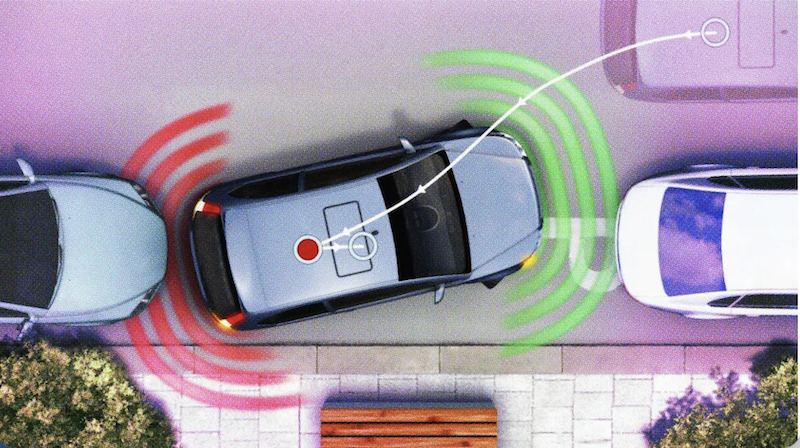
Parking Collision Warning. Ultrasonic or radar sensors to alert the driver of close-proximity obstacles to the front, rear, or sides while maneuvering at low speeds.
Automatic Crash Notification. Automatically contacts emergency services and shares location data via the vehicle’s cellular system immediately following a severe airbag deployment or impact.
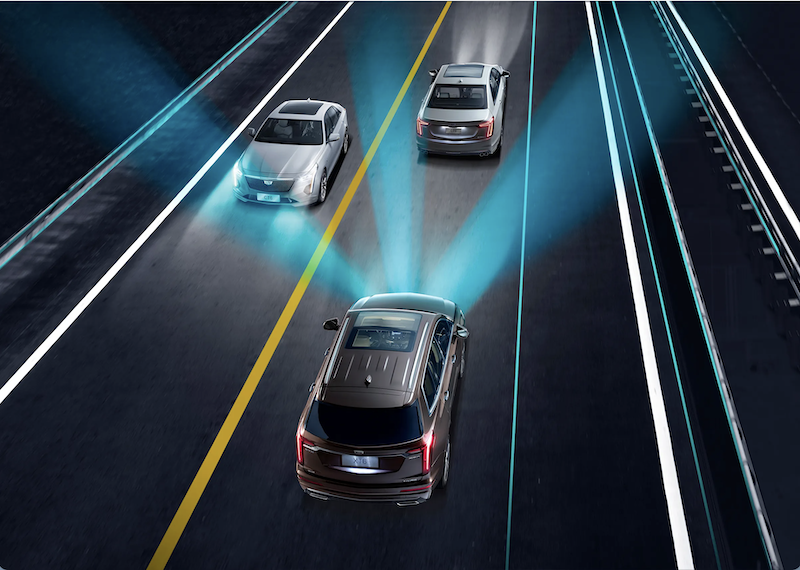
Vision Assist
Adaptive Headlights. Headlights that swivel or adjust their beam pattern dynamically based on steering angle and vehicle speed to better illuminate curves and corners.
Automatic High Beams. Automatically switches between high and low beams based on the detection of oncoming headlights or leading taillights ahead.
Trailer Assistance. Cameras, guidelines, and automated steering inputs to simplify the process of hitching, backing up, and maneuvering a trailer.
Night Vision Assist. Thermographic/infrared cameras to display heat signatures of pedestrians, animals, or hazards on the dashboard before they are visible in the headlights.
Surround View Camera. Synthesizes feeds from multiple external cameras to display a continuous, top-down 360-degree digital view of the vehicle’s immediate surroundings.
Backup Camera. A rear-facing camera that displays the area directly behind the vehicle on the center screen whenever the transmission is shifted into reverse.
Head-Up Display. Projects vital driving information (like speed, navigation directions, and alerts) directly onto the windshield within the driver’s line of sight.
Speed & Distance Control
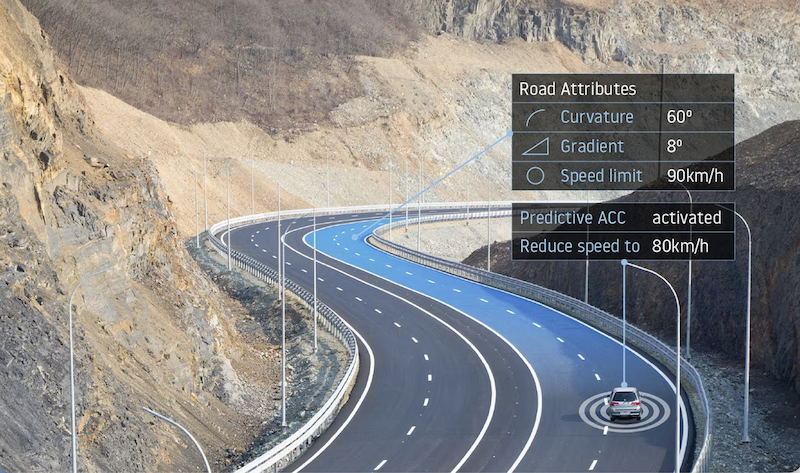
Adaptive Cruise Control. Maintains a set speed while automatically adjusting acceleration and braking to keep a driver-selected following distance from the vehicle ahead.
Traffic Jam Assist. Combines adaptive cruise control and lane centering at low speeds to handle stop-and-go driving with minimal driver intervention in heavy traffic.
Highway Driving Assist. An advanced driving system that combines adaptive cruise control, lane centering, and navigation data to manage speed and lane positioning during highway cruising.
Road Sign Recognition. Uses forward-facing cameras to identify speed limits and traffic signs, displaying them on the instrument cluster to inform the driver.
Parking & Maneuvering
Automated Parking. Automatically steers, accelerates, and brakes the vehicle into a parallel or perpendicular parking space while the driver supervises.
Remote Parking. Allows the driver to stand outside the vehicle and use a smartphone app or smart key fob to command the vehicle to pull forward into or back out of tight parking spaces.
Stability & Control
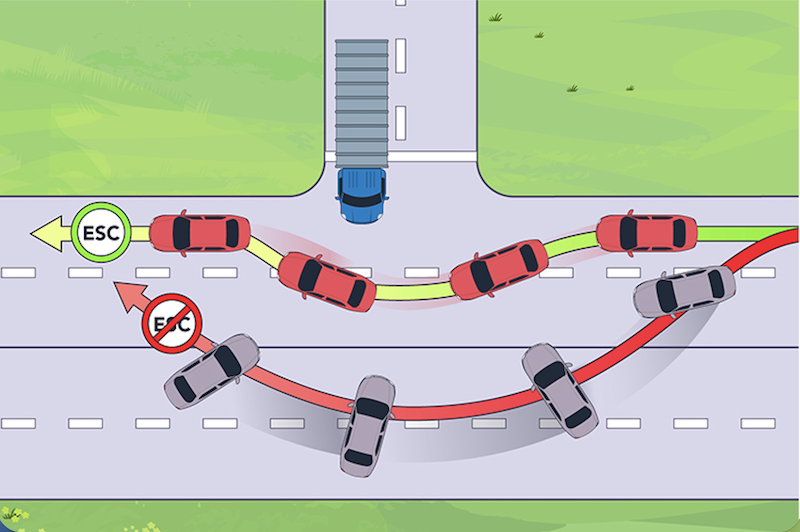
Electronic Stability Control. Automatically applies brakes to individual wheels and reduces engine power if it detects a loss of steering control or skidding, helping to keep the vehicle on its intended path.
Traction Control System. Limits wheel spin during acceleration on slippery surfaces by applying the brakes or reducing engine power to wheels that lose grip.
Anti-lock Braking System. Prevents the wheels from locking up during hard braking, allowing the driver to maintain steering control while stopping the vehicle.
Hill Start Assist. Temporarily holds the brakes for a few seconds after the driver releases the brake pedal on an incline, preventing the vehicle from rolling backward before acceleration.
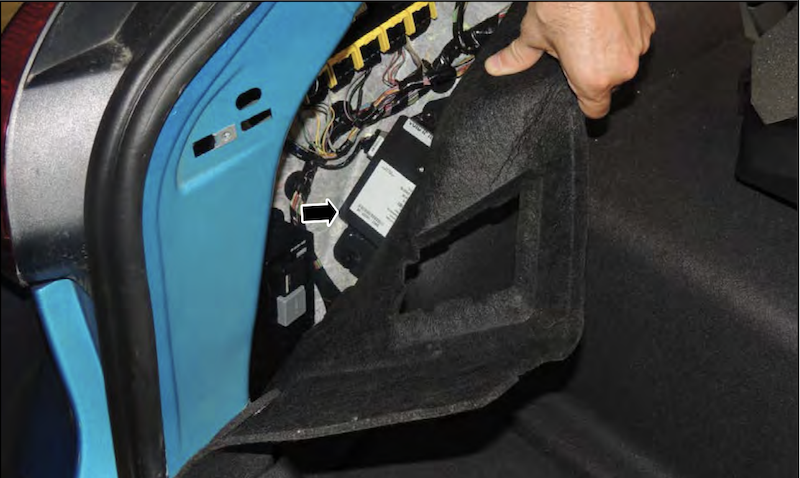
Tracking & Telemetry
Passive GPS Tracking. Records vehicle location and trip history data onto internal storage to be downloaded or reviewed at a later time, rather than broadcasting it in real time.
Active GPS Tracking. Continuously transmits real-time location, speed, and heading data over a cellular network to a cloud platform for live monitoring.
Persistent GPS Tracking. Uninterrupted, continuous location tracking that remains active even when the vehicle’s ignition is turned off.
Essential Diagnostics Telemetry. The automated transmission of core vehicle health data (such as engine codes, oil life, and emission levels) to the manufacturer or fleet manager.
Vehicle Location & Security Telemetry. The cellular transmission of real-time position and security status to assist with stolen vehicle recovery and remote locking/unlocking.
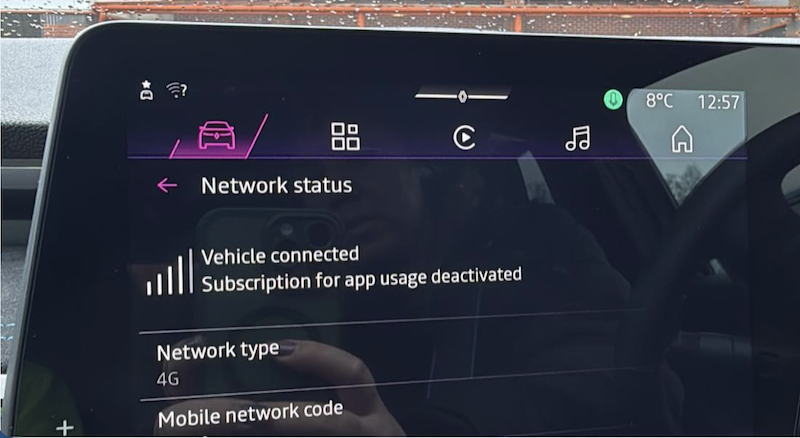
Cellular Network Generation. The specific mobile network technology (e.g., 4G LTE, 5G) built into the vehicle to power connected services, over-the-air updates, and telemetry.
Driver Behavior
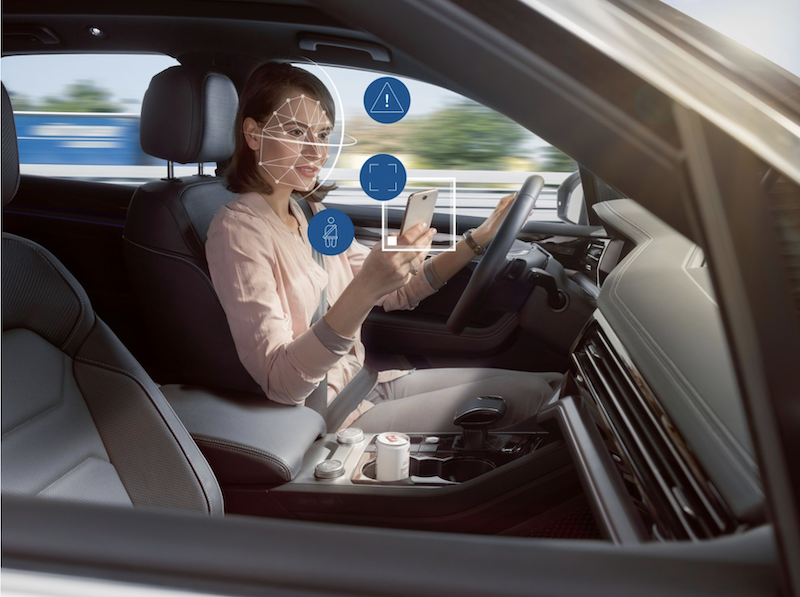
Driver Monitoring System. Uses interior cameras or steering wheel sensors to track driver alertness, gaze, and fatigue, issuing warnings if distraction or drowsiness is detected.
Vehicle Operation Data Collection. The ongoing logging of driving habits—such as hard braking, rapid acceleration, and speed patterns—by onboard computers.
Real-Time Detection. On-the-fly analysis of sensor data to instantly recognize unsafe driving behaviors or hazardous road conditions as they occur.
Performance Scoring. Evaluates collected driving data to generate a statistical safety rating or driving score, frequently utilized by fleets and usage-based insurance companies.
Behavior Based Direct Intervention. The vehicle takes active measures (such as restricting top speed, issuing loud alerts, or forcing a safe stop) in response to dangerous or unauthorized driver behaviors.

Remote Disable
Impairment Remote Disable. The remote or automated immobilization of a vehicle if an integrated breathalyzer or driver monitoring system determines the operator is intoxicated or incapacitated.
Third-Party Remote Disable. The ability for an authorized outside entity (such as a lender, repossession agency, or fleet owner) to remotely prevent a vehicle from starting, typically due to non-payment.
Missing OTA Update Remote Disable. The capability for a manufacturer to remotely restrict a vehicle’s operation or prevent it from starting if critical over-the-air software updates are bypassed.

Data Collection & Sales
Third-Party Data Sales. The commercial practice of transferring or selling collected vehicle telemetry, driver behavior, and location history to outside entities like insurance companies or data brokers.

Dealer Capture
Proprietary Diagnostics. Vehicle diagnostic trouble codes and software routines that require manufacturer-specific scanning tools, restricting independent shops from performing certain repairs.
VIN Parts Lock. A digital security feature where replacement components are software-locked to a specific vehicle’s Vehicle Identification Number, requiring official authorization to function.
Sensor Recalibration. The precise digital realignment of cameras, radar, and lidar sensors required after parts replacement or windshield repairs to ensure driver assistance systems function correctly.
Dealer-Only Keys. Replacement key fobs and programming software restricted exclusively to authorized dealerships, preventing third-party locksmiths from programming duplicates.
Subscriptions
Subscription Fees. Car features that may be built-in but are disabled after a free trial unless monthly fees are paid.